AMA on Overdose Crisis: Deaths Fall, Complexity Grows
AMA on Overdose Crisis: Deaths Fall, Complexity Grows The overdose crisis is not following a clean line, and that is the problem. If you are trying to make…
AMA on Overdose Crisis: Deaths Fall, Complexity Grows
The overdose crisis is not following a clean line, and that is the problem. If you are trying to make sense of shifting numbers, changing drug supplies, and uneven access to treatment, the overdose crisis can feel harder to read now than it did a few years ago. Deaths may be declining in some places, but the risk has not gone away. The American Medical Association says the situation is getting more complex, not less. That matters because people still face fentanyl, stimulants mixed with opioids, and gaps in care that can turn a bad day into a fatal one. What should you watch for, and what should you do next?
What stands out from the AMA’s overdose crisis warning
- Fewer deaths do not mean less danger. The drug supply is still volatile.
- Polydrug use is more common. Opioids and stimulants are often involved together.
- Treatment access still lags. Medications like buprenorphine and methadone remain underused in many areas.
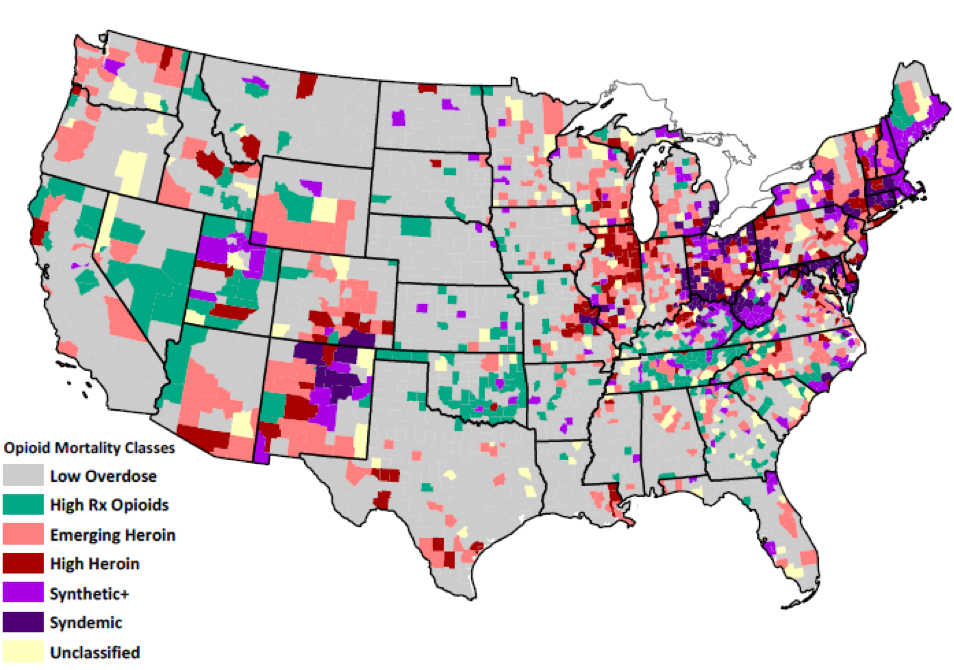
- Local trends matter. National numbers can hide sharp regional spikes.
- Prevention still saves lives. Naloxone, drug checking, and quick access to care remain non-negotiable.
“A decline in deaths does not mean the overdose crisis is over. It means the crisis has changed shape.”
Why the overdose crisis is harder to read now
The old picture was too simple. People often talked about opioids as one category and overdose as one outcome. That does not fit the current reality. Today, many overdoses involve fentanyl plus other substances, including cocaine or methamphetamine. That mix makes prediction harder and response more urgent.
Think of it like defensive football. If you prepare for only one play, the other team will punish you. The same logic applies here. If your response focuses only on one drug or one type of user, you miss the way the supply and the risk have changed.
The CDC has reported declines in overdose deaths in recent periods, but those gains can be fragile. A local surge, a more toxic batch, or a treatment gap can reverse progress fast. That is why the AMA’s message lands with force. The crisis is not gone. It has become less predictable.
What the overdose crisis means for treatment and recovery
If you work in recovery, or you are trying to help someone who uses drugs, the key question is simple. Are you adapting to the current risk, or are you still fighting the last version of the crisis?
Start with medication access
Medication for opioid use disorder remains one of the strongest tools available. Buprenorphine and methadone reduce overdose risk and help people stay in care. Yet many people still cannot get them quickly, especially after an overdose, an ER visit, or a detox stay.
Speed matters. A person who is ready for help today may be gone tomorrow. That is why same-day or next-day access can be the difference between engagement and relapse.
Make naloxone easy to reach
Naloxone should be in homes, cars, backpacks, shelters, and clinics. Do not make people ask permission from a system that already moves too slowly. If someone in your life uses opioids, carry it. If your program serves the public, stock it.
One dose is good. More than one may be needed. Fentanyl can require repeat naloxone and rescue breathing while help is on the way.
Expect more than one substance
Mixed drug use changes the response plan. Stimulants can raise heart rate and blood pressure, while opioids slow breathing. If someone overdoses after using multiple substances, your assumptions can fail fast. Ask what was taken. Ask when. Ask whether alcohol was involved too.
How families can respond without panic
You do not need to become a clinician to be useful. You do need a plan.
- Keep naloxone in the house and know how to use it.
- Learn the signs of overdose, including slowed breathing, blue lips, and unresponsiveness.
- Call emergency services if someone does not respond quickly.
- Store medications safely and remove unused pills.
- Talk plainly about relapse, because silence helps no one.
And yes, the conversation can be awkward. So what? Awkward is better than grieving. A direct question can open the door: “What would help you stay safe this week?” That is often more useful than a speech.
What public health systems should do next
The AMA’s warning points toward a practical shift. Public health agencies cannot rely on one message or one intervention. They need layered action, from fentanyl test strips and syringe services to treatment access and overdose surveillance. Good data matters here, because you cannot fix what you cannot see.
Schools, jails, emergency departments, and primary care clinics each see a different slice of the crisis. Put those pieces together and you get a clearer map. Leave them separate and you get blind spots. That is the old trap.
The smartest response is not dramatic. It is fast, local, and boring in the best way. Naloxone. Treatment. Follow-up. Repeat.
What to watch next in the overdose crisis
The next phase will likely be defined by uneven progress. Some communities may keep seeing fewer deaths. Others may face stubborn fentanyl exposure, stimulant contamination, or treatment shortages. The people most at risk are often the ones least able to wait for a perfect system.
That is the hard truth. If you want to lower harm, stop treating the overdose crisis like a single problem with a single fix. Keep your eye on the drug supply, keep treatment available, and keep naloxone close. What happens when the numbers look better but the danger still lurks in the margins?
This article is for educational purposes only and should not be considered medical advice. Always consult a qualified healthcare provider before making decisions about addiction treatment. If you or someone you know is in crisis, call SAMHSA's National Helpline: 1-800-662-4357 (free, confidential, 24/7).