Alcoholism Recovery in Bengaluru: What the Ellen Centre Gets Right
Alcoholism Recovery in Bengaluru: What the Ellen Centre Gets Right If you are trying to understand alcoholism recovery in Bengaluru, the hard part is cutting…
Alcoholism Recovery in Bengaluru: What the Ellen Centre Gets Right
If you are trying to understand alcoholism recovery in Bengaluru, the hard part is cutting through the noise. Rehab is often sold as a quick fix, while families are left dealing with relapse, shame, money stress, and the daily question of what actually helps. That matters right now because alcohol dependence rarely affects one person alone. It changes the home, work, health, and trust around them.
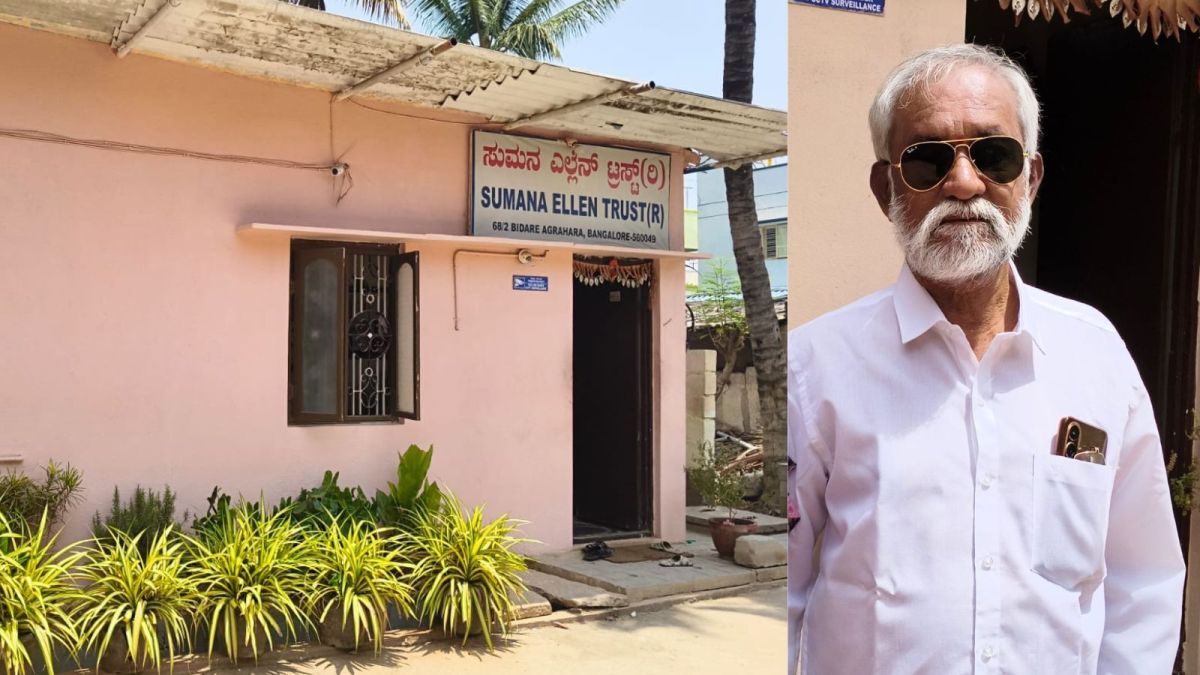
A reported story by The Indian Express on the Ellen Centre and the work of Narasappa and Sumana offers something more useful than slogans. It shows recovery as long, uneven, and human. That is the part many glossy treatment pitches skip. If you are looking at de-addiction care in Bengaluru, this case gives you a better lens for judging what is real, what is hype, and what kind of support holds up after discharge.
What stands out
- Alcoholism recovery in Bengaluru works best when it treats relapse as a risk to manage, not a moral failure.
- Family involvement matters, but it needs structure, boundaries, and education.
- Long-term support often counts more than dramatic detox stories.
- A credible centre usually focuses on routine, accountability, and follow-up care.
Why this Ellen Centre story matters
The Indian Express piece centers on people who have spent years around addiction and recovery work, not just a one-off clinic success. That makes a difference. Anyone can market detox beds. Building a place that people trust over time is harder.
Look, alcoholism treatment is a bit like rebuilding a damaged house. Detox can clear the debris, but if the wiring, plumbing, and foundation are still unstable, the same failures return. In addiction care, that means physical stabilization is only one layer. The deeper work is behavior, routine, emotional regulation, social support, and relapse planning.
Recovery is rarely a clean upward line. The useful question is not whether setbacks can happen. It is whether the system around a person is built to respond when they do.
Alcoholism recovery in Bengaluru: what should families look for?
Families usually arrive at treatment exhausted. Some are angry. Some are scared. Most are both. And many make the same mistake. They focus on admission day more than the months that follow.
A stronger way to judge a rehab or recovery centre is to ask practical questions:
- What happens after detox?
- How are relapse triggers identified and tracked?
- How often are families included in counseling or education?
- What daily structure does the program use?
- Is there follow-up support after discharge?
- How does the centre handle a setback or return to drinking?
Those questions sound basic, but they expose weak programs fast. If a centre talks mostly about facilities, food, or a short stay, be careful. Real addiction treatment should be boring in the right ways. Routine. Monitoring. Repeat work. Honest check-ins. That is what tends to hold.
What the best recovery models usually have in common
1. They treat addiction as a chronic condition
This is a non-negotiable starting point. Alcohol dependence often behaves more like a long-term health condition than a problem solved in one burst of willpower. The National Institute on Drug Abuse has long framed addiction as a chronic, relapsing disorder, and that is useful here because it shifts the focus from blame to management.
That does not mean people cannot recover. They can. It means the plan has to match the condition.
2. They build daily habits, not rescue fantasies
Stories about dramatic turnarounds get attention, but lasting recovery usually grows out of repetition. Wake times, meals, therapy, group support, sleep, medication when needed, and fewer chances to drift back into old patterns. Honestly, it is less cinematic than people expect.
And that is good.
3. They involve the family without making the family the police
Families need guidance too. They may enable, overreact, cover up, hand over cash, or confuse surveillance with support. A serious program helps relatives set boundaries and read warning signs without turning the home into a checkpoint.
4. They plan for the real world
The real test comes after treatment. Festivals. Work stress. Old friends. Payday. Loneliness on a Sunday afternoon. A centre that prepares patients for those moments is far more believable than one that implies motivation alone will carry the day.
The bigger lesson from alcoholism recovery in Bengaluru
Bengaluru has no shortage of treatment options, but quality can vary a lot. Some centres are clinically grounded. Some are barely more than containment with branding. The Ellen Centre story matters because it points to something many families learn the hard way. Trust grows from consistency, not advertising.
So what should make you skeptical?
- Promises of guaranteed recovery
- Pressure to commit without assessment
- Vague answers about staff qualifications
- No clear relapse protocol
- Little or no family education
- Silence about aftercare
What should give you more confidence? Specificity. Clear routines. Realistic expectations. Staff who talk plainly about setbacks and next steps (instead of pretending every case follows a neat script).
What this means for someone considering rehab now
If you or someone close to you is weighing treatment, start with the simplest test. Does the place sound grounded in reality? Or does it sound like a sales pitch?
Here is a practical shortlist:
- Ask for the treatment plan in plain language.
- Ask who handles detox, therapy, and psychiatric support if needed.
- Ask how long support continues after discharge.
- Ask what the family is expected to do, and what they should stop doing.
- Ask how the centre measures progress beyond sobriety at discharge.
That last point matters more than people think. A person can leave a facility alcohol-free and still be in bad shape if nothing has changed in judgment, coping, or daily structure. Recovery is not a receipt you collect at the end of a stay.
Where the conversation should go next
The strongest takeaway from this Bengaluru story is not that one centre has all the answers. It is that addiction recovery deserves less mythology and more honesty. Treatment can help. Community can help. Family support can help. But only when each piece knows its role and sticks with the work.
What if more families judged rehab the way they would judge a serious school, hospital unit, or legal adviser, by competence, transparency, and follow-through instead of hope alone? That would push the whole field in a better direction.
And that is the standard worth demanding.
This article is for educational purposes only and should not be considered medical advice. Always consult a qualified healthcare provider before making decisions about addiction treatment. If you or someone you know is in crisis, call SAMHSA's National Helpline: 1-800-662-4357 (free, confidential, 24/7).