Alcohol Treatment Gaps Livingston Families Should Know
Alcohol Treatment Gaps Livingston Families Should Know If someone in your house is drinking more than they planned, delaying help can feel easier than naming…
Alcohol Treatment Gaps Livingston Families Should Know
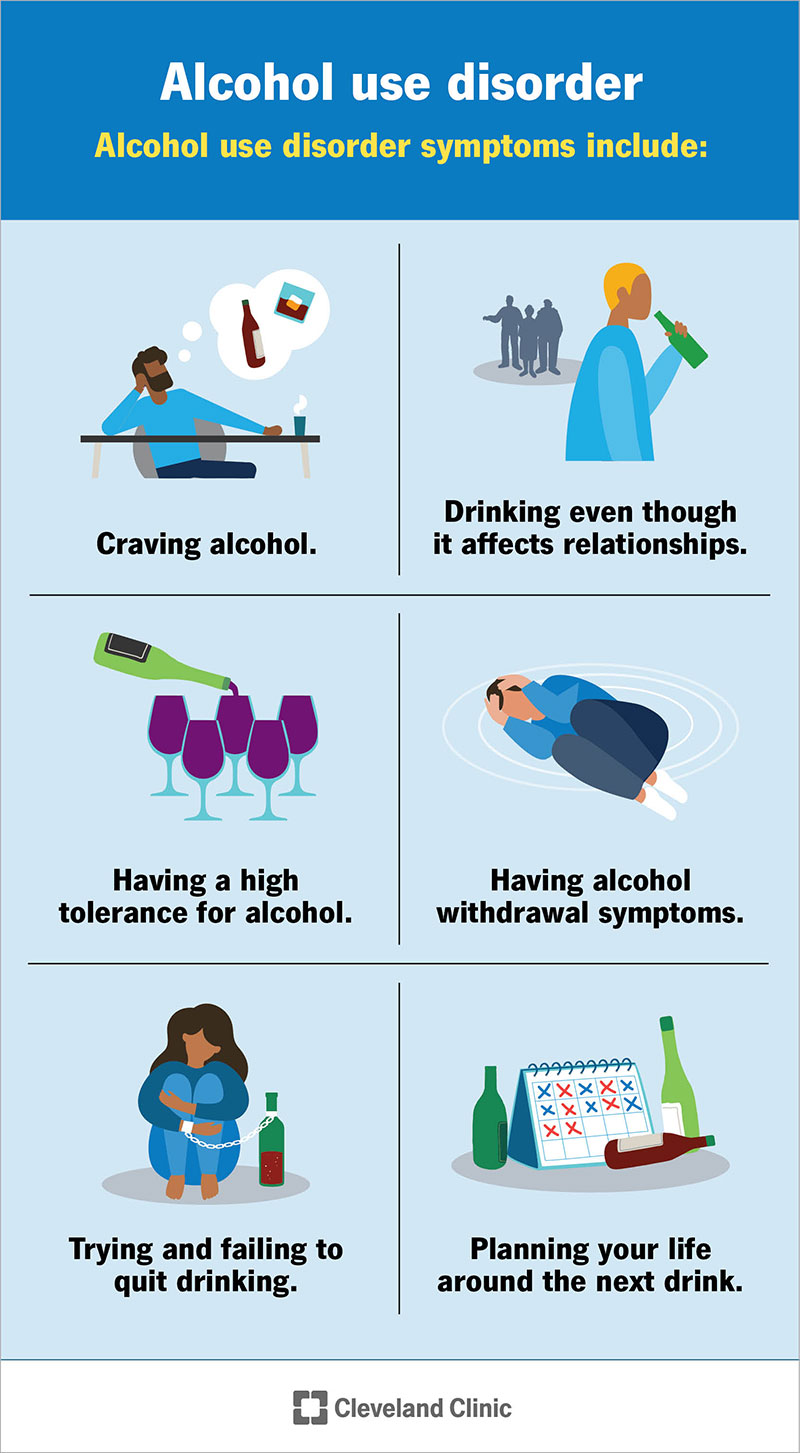
If someone in your house is drinking more than they planned, delaying help can feel easier than naming the problem. But alcohol treatment is time-sensitive, especially when work, driving, parenting, sleep, and mood start to bend around drinking. A recent TAPinto Livingston health piece raised a hard truth that families see every week: many people who meet the criteria for alcohol use disorder still never enter care. That gap matters in Essex County as much as anywhere else, because stigma, cost, denial, and confusing treatment options can stall action for months. You do not need to wait for a dramatic low point. You need a clear read on risk, a practical plan, and enough support to make the first call less frightening.
What Livingston families should take from this
- Alcohol problems are often hidden in plain sight. A steady job or nice home does not rule out alcohol use disorder.
- Treatment is not one-size-fits-all. Options can include detox, outpatient therapy, medication, family support, and residential care.
- Waiting for rock bottom is risky. Earlier care can reduce medical, legal, and family fallout.
- Families need a script. Calm, specific language works better than blame or threats.
Why alcohol treatment still gets delayed
So why do families wait? Most delays start with a bargain that sounds reasonable at first: they will cut back after the holidays, after work slows down, after the next argument, or after one more promise.
The TAPinto Livingston report points to a national problem reflected in local homes. Federal survey data from SAMHSA has repeatedly shown a wide gap between the number of people with substance use disorders and the number who receive specialty care.
People often avoid care because they fear judgment, do not think the problem is severe enough, or cannot tell which level of treatment fits their situation.
Silence is expensive.
I have covered addiction care long enough to see the same pattern across towns with very different ZIP codes. Alcohol is legal, familiar, and socially accepted, so families often downgrade warning signs until the damage becomes hard to ignore.
How alcohol treatment actually works now
Modern alcohol treatment is broader than the old image of leaving home for 30 days. That option can help some people, but many start with outpatient care, medication, or a medically supervised detox if withdrawal risk is present.
Good treatment planning is closer to coaching a soccer match than flipping a switch. You look at the field, adjust the lineup, and respond to what is happening in real time.
- Medical detox: Best for people at risk of withdrawal symptoms such as shaking, seizures, confusion, or severe anxiety.
- Residential treatment: Useful when home is unsafe, drinking is severe, or outpatient attempts have failed.
- Intensive outpatient care: Offers structured therapy several days a week while the person sleeps at home.
- Standard outpatient therapy: Fits people with lower medical risk and enough stability to attend regular sessions.
- Medication-assisted treatment: FDA-approved options such as naltrexone, acamprosate, and disulfiram may reduce cravings or support abstinence.
Detox alone is not treatment. It can stabilize the body, but the longer work involves habits, triggers, mental health, family repair, and relapse prevention.
If your loved one says they only need willpower, ask what support they would accept if alcohol were treated like any other chronic health problem. That question lowers the temperature and moves the talk toward care.
What blocks people from alcohol treatment?
Denial gets a lot of blame, but the barriers are usually more tangled. A person may know drinking is harming them and still avoid care because they fear losing privacy, income, custody, status, or control.
- Stigma: People worry that a diagnosis will follow them.
- Cost confusion: Insurance terms, deductibles, and provider networks can stop families before they start.
- Bad past experiences: One poor fit with a counselor or program can make someone write off all care.
- Withdrawal fear: Heavy drinkers may be scared of what happens when they stop.
- Family fatigue: Loved ones may be too exhausted to research options or set limits.
Insurance can be messy, but do not guess. Call the number on the insurance card and ask about substance use disorder benefits, in-network providers, prior authorization, and out-of-pocket costs.
How Livingston families can start the alcohol treatment conversation
Pick a calm moment, not the middle of a fight. Use facts you have seen, such as missed work, blackouts, hidden bottles, mood swings, or driving after drinking.
Start with one concrete concern and one next step. For example: I am worried because you drank before driving twice this month, and I want us to call a treatment provider today to ask what level of care makes sense.
Do not turn the conversation into a courtroom. You are trying to open a door, not win a case (even if you have years of evidence).
What to ask before choosing a program
A polished website does not prove quality. Ask direct questions and listen for clear answers, because vague promises are a bad sign in health care.
- Do you assess withdrawal risk before recommending care?
- Are medications for alcohol use disorder available or discussed?
- How do you treat anxiety, depression, trauma, or sleep problems?
- What role can family members play?
- What happens after the first phase of treatment ends?
- Do you measure progress beyond attendance?
These questions help you separate marketing from care. A solid provider should welcome them and explain the reasoning behind each recommendation.
Signs that waiting is no longer safe
Some situations call for faster action. If drinking has become medically risky or dangerous to others, skip the long family debate and contact a qualified professional, crisis line, or emergency service.
- Shaking, sweating, vomiting, confusion, or seizures when alcohol use drops
- Drinking and driving
- Falls, injuries, or blackouts
- Threats of self-harm or harm to others
- Mixing alcohol with opioids, benzodiazepines, or sleep medication
- Repeated failed attempts to stop without support
Withdrawal from alcohol can be dangerous, especially after heavy daily use. Medical guidance matters because the safest first step may be supervised detox rather than quitting alone at home.
After alcohol treatment starts, family behavior still matters
Treatment does not erase family stress overnight. You may need your own support through therapy, Al-Anon, SMART Recovery Family and Friends, or another group that teaches boundaries without panic.
Recovery works better when the home stops orbiting around alcohol. That can mean removing alcohol from the house, setting driving rules, refusing to cover up consequences, and praising follow-through instead of demanding perfection.
The next move should be specific
The treatment gap will not close because families learn the perfect phrase. It closes when someone makes one practical move today: call a provider, ask for an assessment, check insurance, or tell a trusted doctor the truth.
Livingston families do not need more shame around alcohol. They need faster access to honest guidance, and they need to stop treating help as something reserved for the worst day of someone’s life.
This article is for educational purposes only and should not be considered medical advice. Always consult a qualified healthcare provider before making decisions about addiction treatment. If you or someone you know is in crisis, call SAMHSA's National Helpline: 1-800-662-4357 (free, confidential, 24/7).