Albuquerque Community Safety Recovery Support
Albuquerque Community Safety Recovery Support If you want proof that a city response can do more than move a crisis out of sight, this story from Albuquerque…
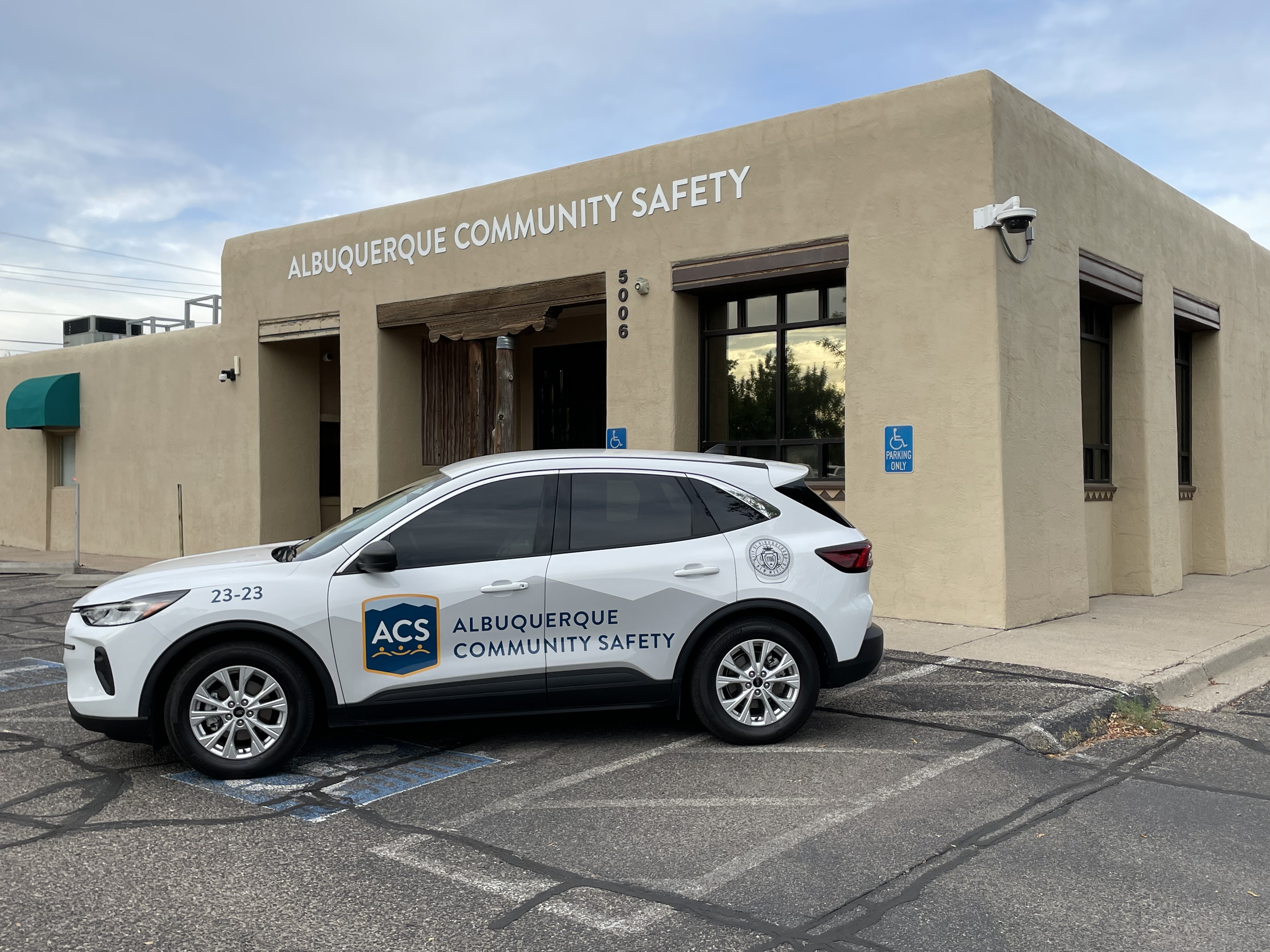
Albuquerque Community Safety Recovery Support
If you want proof that a city response can do more than move a crisis out of sight, this story from Albuquerque gives it to you. The Deschamps family’s experience with Albuquerque Community Safety recovery support shows what happens when outreach workers stick with people through housing trouble, substance use treatment, and day-to-day setbacks. That matters now because many cities still debate whether civilian crisis teams actually help families reach stability, or just offer a short-term handoff. Here, the public record points to something more durable. A family facing hard conditions got connected to shelter, treatment, and ongoing support through Albuquerque Community Safety and partner agencies. The bigger question is simple. What can you learn from one family’s path, and what should other communities copy?
What stands out
- Albuquerque Community Safety recovery support involved more than one contact. Staff stayed engaged over time.
- The family’s progress depended on coordination between crisis response, housing help, and recovery services.
- Stability came in steps, not all at once. That is usually how real recovery works.
- The case supports a practical point. Civilian responders can reduce harm when cities give them room to follow through.
How Albuquerque Community Safety recovery support worked for this family
According to the City of Albuquerque’s account, the Deschamps family worked with Albuquerque Community Safety as they moved toward stability and recovery. The city describes support that included connecting the family with shelter and treatment resources, then helping them keep moving forward instead of dropping off after one intervention.
That detail matters. A lot of public systems are built like relay races. One team responds, another team assesses, a third team handles housing, and somewhere in that shuffle people disappear. This case looks different because the support appears continuous, with relationship-building at the center.
Recovery and housing stability usually do not hinge on one perfect decision. They hinge on repeated contact, trust, and a system that does not force people to start over every week.
And that is the point many officials miss.
Why this kind of recovery support matters
If you cover behavioral health long enough, you see the same mistake again and again. Cities talk about crisis response as if the crisis itself is the whole problem. It rarely is. The real problem is what comes next.
Families dealing with substance use, housing instability, or mental health strain often need a chain of support that holds. Miss one link and the whole thing can wobble. Think of it like repairing a roof during a storm. You do not fix it with one shingle. You patch the leak, reinforce the frame, and keep checking for weak spots.
In the Deschamps family story, the city highlights a path toward stability and recovery rather than a single rescue moment. That is a far better measure of success. Did the family get safer? Did they reach treatment? Did they gain more stable living conditions? Those are the outcomes that count.
What families can take from Albuquerque Community Safety recovery support
If your family is dealing with a similar crisis, this case offers a few practical lessons. Some are obvious. Some are hard-earned.
- Ask for ongoing contact, not a one-time referral. A phone number alone is rarely enough. Follow-up can be the difference between a missed chance and real progress.
- Push for connected services. Housing, treatment, and crisis care work better together. If agencies are operating in silos, ask who owns the handoff.
- Expect progress to look uneven. Recovery is rarely neat. A rough week does not erase real gains.
- Keep records. Names, dates, intake contacts, and program details can help when systems get messy.
Honestly, this is where many families get worn down. They are asked to become case managers while living through the crisis themselves.
What this says about civilian crisis response
The Albuquerque model adds weight to a growing argument in harm reduction, treatment, and mental health policy. Not every emergency needs an armed response, and many people do better when the first contact is a trained civilian team with time to listen, assess needs, and connect services.
That does not mean every civilian response program works. Some are underfunded. Some are boxed into narrow call types. Some cannot offer enough follow-up to matter. But when a city builds the service around continuity, the results can be solid.
What makes the approach more credible
- It centers real-world needs like shelter and treatment access.
- It treats recovery as a process, not a slogan.
- It relies on community partnerships instead of pretending one department can do everything.
- It gives the public a case example they can actually evaluate.
Look, public agencies love success stories. Any journalist should be skeptical. But skepticism cuts both ways. If a city can document that a family moved closer to housing stability and recovery because responders stayed engaged, that deserves attention too.
Limits of the story, and what we still need to know
One family story does not prove every outcome. It does not tell you the full long-term picture, and it does not answer every policy question. We do not get a controlled study from a city news release.
Still, case stories have value when they show how systems behave on the ground. Did the team connect services quickly? Did they build trust? Did the family avoid falling through the cracks? Those are practical questions, and this example points in a promising direction.
A stronger public case would include more data over time, such as repeat crisis contacts, housing retention, treatment engagement, or family wellness measures. Why should cities hide behind broad claims when they could show the receipts?
What other communities should copy
If local leaders want better outcomes in recovery, mental health, and family support, the lesson here is not complicated. Build response systems that stay with people long enough to matter.
That means a few things (none of them flashy):
- Fund civilian teams that can do follow-up, not just initial response.
- Link crisis response to treatment providers and housing resources.
- Measure success by stability and reduced harm, not call clearance speed alone.
- Publish case examples and outcome data so the public can judge results.
Too many systems are designed for administrative convenience. Families need something else. They need a path that makes the next step easier, not harder.
Where this points next
The Deschamps family story is a reminder that recovery support works best when it is practical, local, and stubborn about follow-through. Albuquerque Community Safety did not solve every structural problem in one sweep. No city program can. But this case suggests a better standard for crisis response, one grounded in continuity, treatment access, and housing stability.
If more cities want trust, they should stop selling rescue theater and start building systems that help families stay on their feet six months later. That is the test that matters.
This article is for educational purposes only and should not be considered medical advice. Always consult a qualified healthcare provider before making decisions about addiction treatment. If you or someone you know is in crisis, call SAMHSA's National Helpline: 1-800-662-4357 (free, confidential, 24/7).