Addiction Recovery Bakery in Los Angeles Turns Challah Into Second Chances
Addiction Recovery Bakery in Los Angeles Turns Challah Into Second Chances Finding steady ground after treatment is hard, especially when rent, work history,…
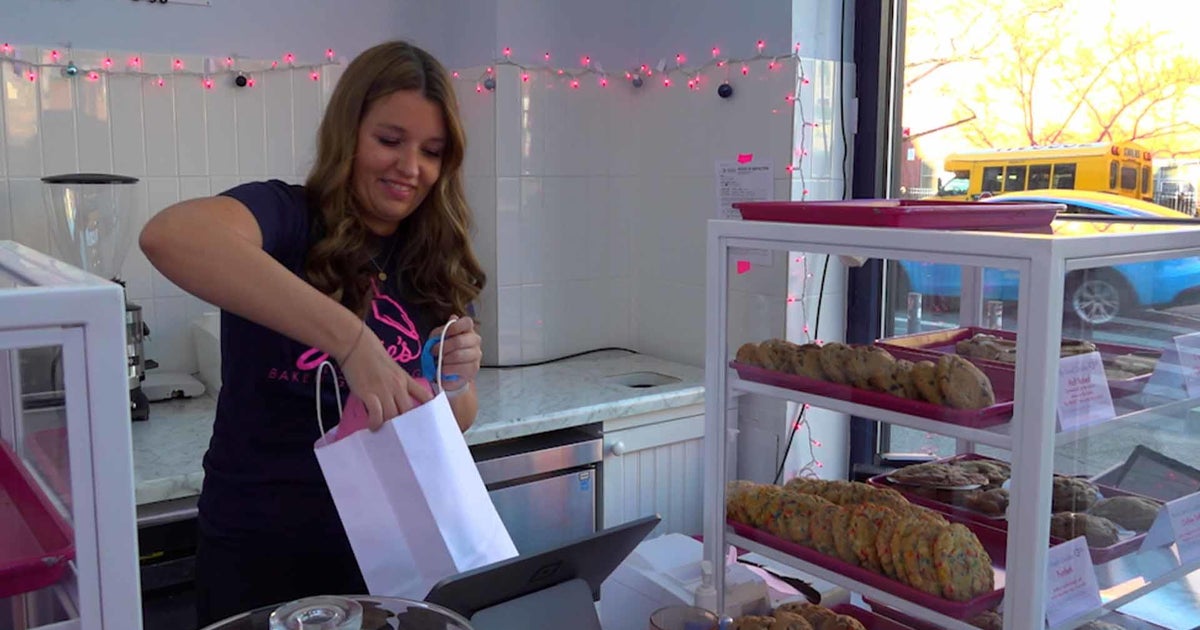
Addiction Recovery Bakery in Los Angeles Turns Challah Into Second Chances
Finding steady ground after treatment is hard, especially when rent, work history, stigma, and daily stress all hit at once. That is why the story of an addiction recovery bakery in Los Angeles matters now. As LAist reported, a Jewish bakery in Los Angeles is using challah, babka, and paid kitchen work to support people rebuilding their lives after substance use disorder. The idea sounds warm, and it is, but the stronger point is practical. Recovery often depends on structure, purpose, and a place where people expect you to show up. A bakery can offer all three. It cannot replace treatment, therapy, medication, or peer support. But it can turn a fragile part of recovery, the return to work, into something more stable and less lonely. And honestly, that is where many recovery stories either gain traction or stall.
What Stands Out
- Work can support recovery when it comes with structure, dignity, and real expectations.
- Jewish food traditions such as challah and babka give the bakery a clear identity, not a charity gloss.
- Recovery employment works best when it avoids pity and focuses on skill, consistency, and community.
- The model fits a wider need in Los Angeles, where housing costs and job barriers make early recovery harder.
Why an Addiction Recovery Bakery Makes Sense
Recovery is often discussed in clinical terms, such as detox, residential treatment, outpatient care, and relapse prevention. Those services matter. Still, many people leave formal treatment and face a plain question the next morning: what now?
An addiction recovery bakery answers part of that question with routine. Dough has to be mixed, proofed, shaped, baked, packed, and sold. There is no vague promise in that rhythm. Either the challah is ready for customers, or it is not.
That kind of accountability can be healthy when it is matched with support. The work is physical, social, and repetitive in the best sense. Like a well-run pit crew, everyone has a task, timing matters, and trust is built through small moves done right.
Food work does not cure addiction, but it can give recovery a daily structure that feels real, useful, and visible.
The Los Angeles Addiction Recovery Bakery Story Is About More Than Bread
LAist’s report frames the bakery through a very Los Angeles mix: Jewish food, community care, and the economic pressure that shapes recovery here. Challah and babka are not random products. They carry tradition, memory, and weekly ritual, especially for families gathering around Shabbat and holidays.
That matters because people in recovery are often forced to live under one label. Addict. Former addict. Patient. The bakery pushes back by giving workers another identity: baker, teammate, vendor, teacher, person who made the loaf on your table.
Work gives the day a spine.
There is also a business lesson here. Customers usually return for taste, consistency, and service. If the bread is good, the mission earns attention instead of doing all the selling. That is healthier for everyone involved.
What Recovery Work Programs Need To Get Right
Programs built around employment can help, but only if they are designed with care. A bakery is still a workplace. People need fair pay, clear training, safety rules, and a path to future jobs if they want one.
Here is the thing: sentimental recovery projects can drift into low expectations. That helps no one. The stronger model treats workers as adults who deserve support and standards at the same time.
- Clear roles: Workers should know what they are responsible for each shift.
- Consistent scheduling: Predictable hours reduce stress and help people plan meetings, therapy, childcare, and transit.
- Skill building: Baking, inventory, customer service, and sanitation are transferable job skills.
- Recovery support: Employment should connect with counseling, peer groups, case management, or sober living when needed.
- Exit options: A good program helps people move forward, not stay dependent on the program forever.
The Substance Abuse and Mental Health Services Administration, known as SAMHSA, describes recovery as a process supported by health, home, purpose, and community. A bakery touches at least two of those directly. It offers purpose through work and community through a shared table, counter, or kitchen.
Why Food Can Lower the Temperature Around Addiction
Food has a disarming quality. People who might tense up around a direct conversation about addiction can understand bread. They can buy a loaf, ask who made it, and then hear the fuller story without feeling preached at.
Is that enough to change public stigma? Not by itself. But repeated contact matters. A customer who enjoys a slice of babka made by someone in recovery may start to see substance use disorder less as a moral failure and more as a health condition with social stakes.
The National Institute on Drug Abuse has long described addiction as a treatable disorder that affects brain function and behavior. That medical framing is needed, but it can feel abstract. A bakery makes the recovery part visible. You can smell it coming out of the oven.
The Jewish Community Angle Adds Weight
Jewish communities have a long history of mutual aid, food-centered gathering, and ritual time. A bakery rooted in that tradition has built-in meaning. Challah is made for blessing, sharing, and return, week after week.
That does not make the work easy. Kitchens are hot, deadlines are unforgiving, and holiday demand can turn a calm operation into controlled chaos. But those pressures can also teach practical coping skills when supervisors know how to manage people with care.
The best version of this model does not romanticize struggle. It says: you can be in recovery and still be expected to show up, learn the recipe, wash the pans, fix mistakes, and take pride in the result.
How You Can Support an Addiction Recovery Bakery Without Being Weird About It
If you live near a recovery-based food business, the most useful support is simple. Buy the product because it is good. Tip normally. Tell friends. Order for holidays, office events, or family gatherings if the bakery can handle the volume.
Do not ask workers to perform their recovery story for you. Some people may share. Others may not. Respect that boundary, because privacy is part of dignity.
- Check the bakery’s ordering schedule before major Jewish holidays.
- Ask whether catering, wholesale, or gift orders are available.
- Leave a public review that mentions the food and service.
- Donate only if the organization has a clear nonprofit or support arm.
- Share job leads with program graduates when appropriate.
Small choices count here. A standing weekly order can help a social enterprise forecast demand and keep people employed. That is less flashy than a viral post, but it is often more useful.
What This Addiction Recovery Bakery Model Gets Right
The Los Angeles bakery story lands because it avoids a common trap. It does not present bread as magic. It presents baking as a setting where recovery skills can be practiced under real conditions.
That distinction matters. Recovery is not one heroic turn. It is a run of ordinary decisions made under pressure, boredom, grief, temptation, and fatigue. A kitchen has all of that, plus timers.
From years of covering treatment and public health, I have learned to distrust tidy recovery narratives. The better ones leave room for relapse risk, money problems, family strain, and the slow repair of trust. This bakery story feels stronger because it is grounded in labor, not slogans.
The Next Loaf Matters
Los Angeles does not need more feel-good recovery branding. It needs more places where people can practice being reliable, earn money, build skills, and belong without being reduced to their worst day. If a loaf of challah can help make that happen, buy the bread and take the model seriously.
This article is for educational purposes only and should not be considered medical advice. Always consult a qualified healthcare provider before making decisions about addiction treatment. If you or someone you know is in crisis, call SAMHSA's National Helpline: 1-800-662-4357 (free, confidential, 24/7).