4.6 Earthquake Off Oregon Coast: What It Means
4.6 Earthquake Off Oregon Coast: What It Means A 4.6 earthquake off the Oregon coast can feel like a small event on paper and a very real jolt in the moment.…
4.6 Earthquake Off Oregon Coast: What It Means
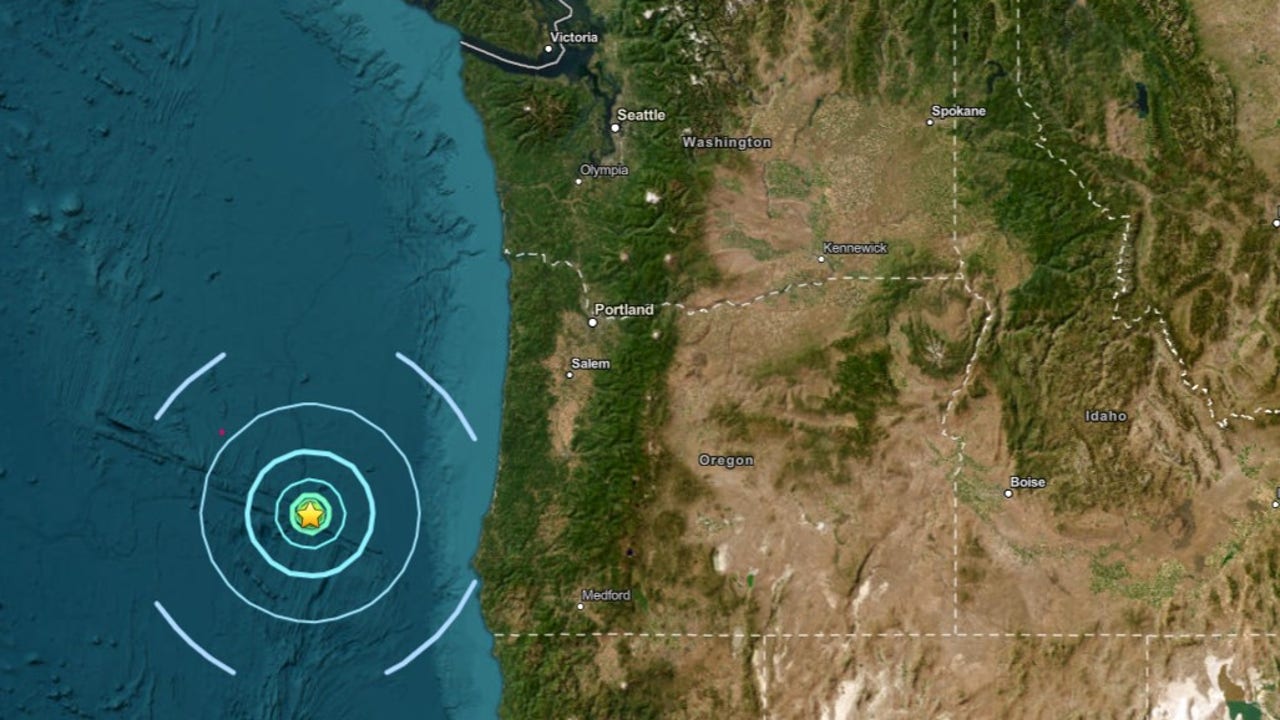
A 4.6 earthquake off the Oregon coast can feel like a small event on paper and a very real jolt in the moment. That gap matters. If you live in coastal Oregon, or you were anywhere near the shaking, you need to know what a quake like this says about local fault activity, why the Oregon coast earthquake story keeps coming back, and what to watch next. The Blanco Fracture Zone sits offshore in a part of the Pacific that stays active. So even a moderate tremor can raise the same basic question: is this a one-off, or part of a larger pattern? What you do with that answer matters more than the number alone.
What stands out about this Oregon coast earthquake
- The quake measured 4.6, which is strong enough to be felt by many people, but not unusual for an active offshore fault system.
- It struck off the southern Oregon coast near the Blanco Fracture Zone, a known seismic zone between the Pacific Plate and the Juan de Fuca Plate.
- Local shaking can happen even when the epicenter is offshore, especially in communities with softer ground or taller buildings.
- USGS data is the first stop for checking magnitude, depth, and aftershock updates.
Why the Blanco Fracture Zone gets attention
The Blanco Fracture Zone is not the Cascadia Subduction Zone, but it does sit in the same regional seismic system. That makes it worth watching. Think of it like a busy intersection near a highway merge. One tap on the brakes may not mean a pileup is coming, but it tells you the traffic is active and the pressure is real.
Offshore earthquakes in this zone are common enough that scientists do not treat each one as a major warning sign by itself. But they do care about patterns, depth, and whether nearby faults show clustered movement. That is where the real value lies.
“A single moderate quake does not predict a larger one on its own. The useful question is whether the event fits into a longer pattern of regional seismic activity.”
What an Oregon coast earthquake can feel like on land
Even a quake offshore can produce noticeable shaking inland. Distance reduces the force, but it does not erase it. People in coastal towns may feel a quick sway, a short rumble, or a sharp jolt that passes in seconds.
Did it shake where you are if the epicenter is miles offshore? Yes, it can. Buildings, soil type, and local topography all change what you feel. That is why two people in the same county may describe the same quake very differently.
What you should check after a quake
- Confirm the magnitude and location through the USGS earthquake map.
- Look for aftershock updates and any revised depth readings.
- Check for damage around your home, including cracks, fallen items, and gas or water issues.
- Review whether your emergency kit and phone charging plan are still in shape.
- If you are near the coast, stay aware of official tsunami guidance, even when the risk from a moderate offshore quake is low.
Most people focus only on the shake itself. That is a mistake. The follow-up tells you more about risk, and it tells you whether your prep was actually good or just theoretical.
How this fits into Oregon’s seismic reality
Oregon does not have one single earthquake problem. It has several. Offshore fault zones, the Cascadia Subduction Zone, and smaller inland faults all play a role. That is why a moderate event like this should be treated as a reminder, not a spectacle.
State and federal agencies, including the Oregon Department of Geology and Mineral Industries and the USGS, have long warned that the Pacific Northwest faces ongoing seismic risk. That is not hype. It is basic regional geology. And it means a stocked kit, a family plan, and a secure home are not optional extras.
What to do now if you felt the Oregon coast earthquake
Start with the simple stuff. Check for immediate hazards, then make sure the people around you are okay. If you are in a coastal area, keep an eye on official alerts from the National Weather Service and local emergency managers.
After that, look at your own setup. Secure heavy furniture. Move breakable items off high shelves. Keep shoes, a flashlight, and a phone charger easy to reach. Those small steps matter more than panic ever will.
Preparedness is boring until the ground moves.
What this quake does not mean
A 4.6 quake does not automatically mean a bigger event is next. Seismology does not work that neatly. It also does not mean you should ignore repeated offshore shaking, because recurring quakes can still expose weak points in buildings, roads, and public readiness.
The right response is steady, not dramatic. Track the data. Fix what you can. Keep your plans current. And watch the next update, because the coast rarely stops talking for long.
What the next few hours may tell us
If aftershocks follow, they will help scientists judge how the fault adjusted. If nothing else follows, that also tells a story. Either way, the public value comes from paying attention to the pattern instead of chasing headlines.
Look, earthquakes do not care about our comfort level. They care about plates, pressure, and timing. The next offshore shake may be smaller, or it may be the one people remember. Are you ready to treat the next update like something practical, not just news to scroll past?
This article is for educational purposes only and should not be considered medical advice. Always consult a qualified healthcare provider before making decisions about addiction treatment. If you or someone you know is in crisis, call SAMHSA's National Helpline: 1-800-662-4357 (free, confidential, 24/7).